Expert Tips for Preventing Common Roadside Emergencies


When you're out on the road, the last thing you want is to face a roadside emergency. Being prepared and knowing how to prevent these situations can save you time, money, and stress. Here are some expert tips to keep you safe and sound on your journeys.
Regular Vehicle Maintenance
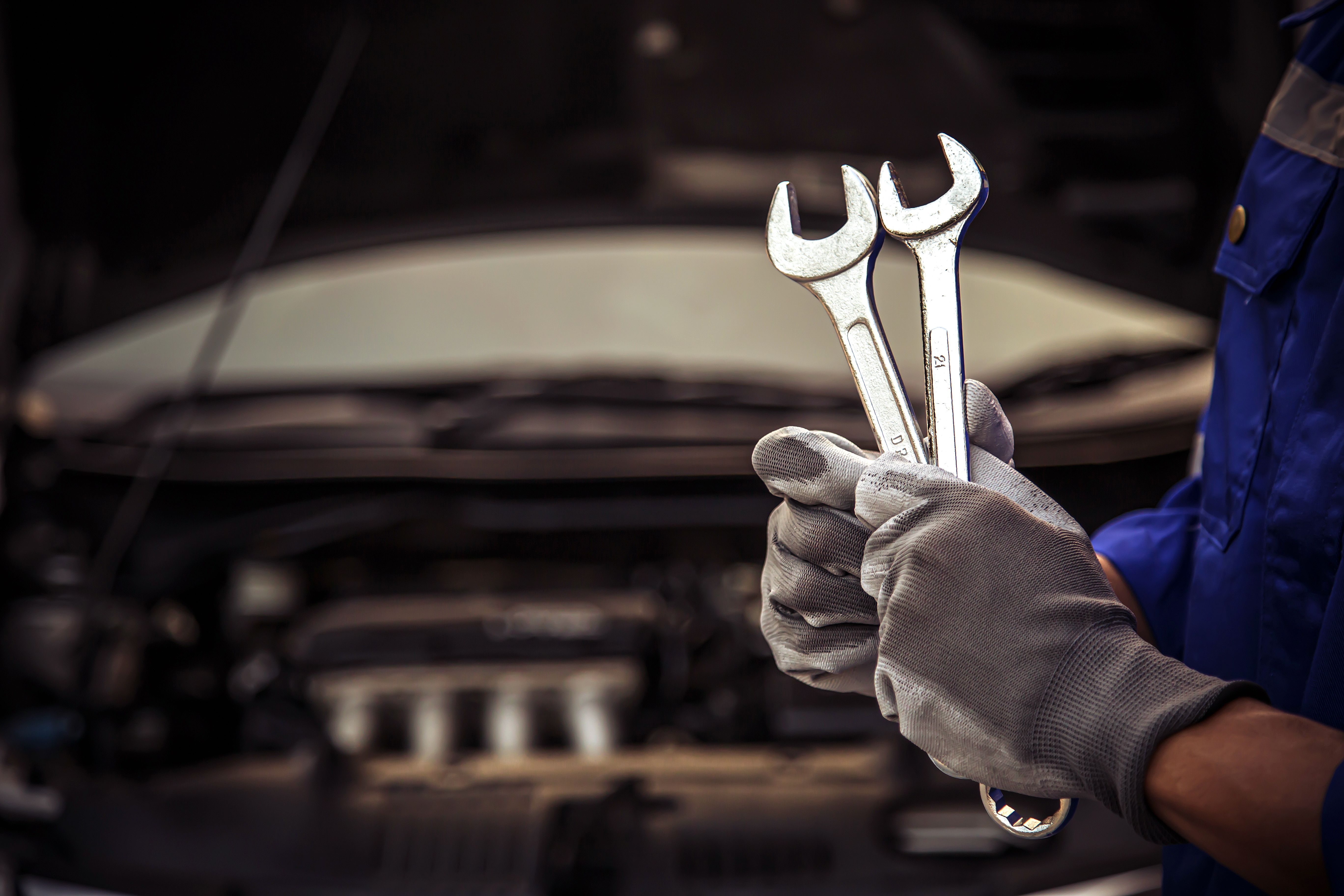
One of the simplest ways to prevent roadside emergencies is through regular vehicle maintenance. Ensuring your car is in top shape can significantly reduce the risk of unexpected breakdowns. Check your engine oil, coolant, brake fluid, and transmission fluid regularly. Replace them as needed to keep your vehicle running smoothly.
Tire maintenance is equally important. Regularly inspect your tires for wear and tear, and ensure they are inflated to the recommended pressure. Don't forget to check the spare tire too, as a flat spare won't be of much help during an emergency.
Prepare an Emergency Kit
Having an emergency kit in your vehicle is essential. It should include items like a first-aid kit, flashlight, batteries, reflective triangles, and basic tools. Jumper cables and a portable phone charger can also be lifesavers in certain situations.
In addition to these essentials, consider including non-perishable snacks and bottled water. These can keep you comfortable and nourished if you have to wait for assistance.
Stay Informed About Weather Conditions
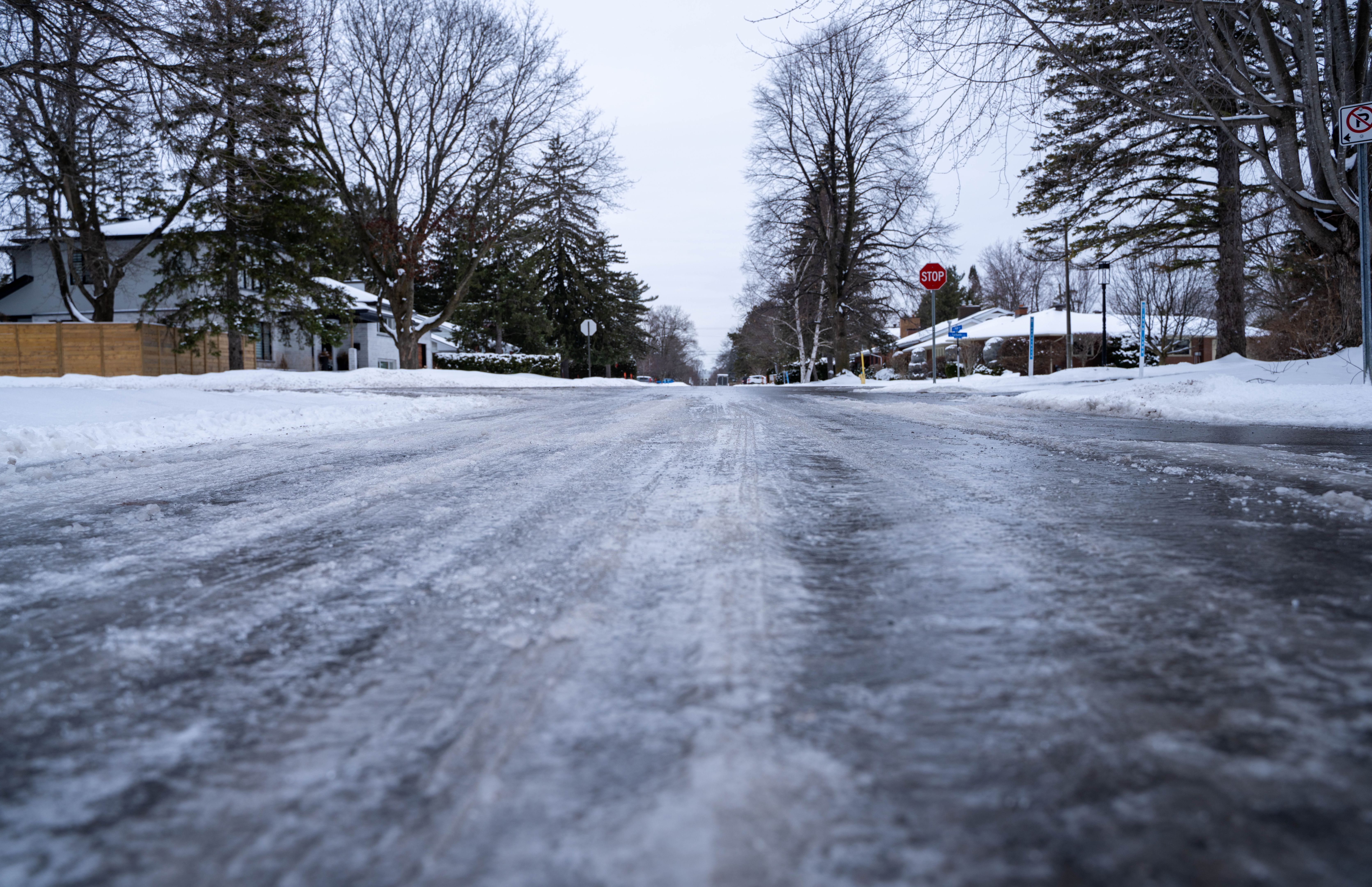
Before hitting the road, always check the weather forecast. Severe weather conditions like heavy rain, snow, or fog can lead to accidents or delays. If possible, plan your trips around unfavorable weather to avoid potential hazards.
During adverse weather conditions, make sure your windshield wipers are functioning properly and that you have enough windshield washer fluid. Visibility is crucial to safe driving.
Know Your Limits
It's important to know your own limits as a driver. If you're feeling tired or unwell, it's better to rest or let someone else take over the driving. Fatigue is a leading cause of accidents and roadside emergencies.
Always adhere to traffic rules and speed limits. Reckless driving increases the risk of accidents and can lead to severe consequences.
Utilize Technology
Modern technology offers many tools to help prevent roadside emergencies. GPS systems and smartphone apps can provide real-time traffic updates and suggest alternative routes to avoid congestion or hazards.
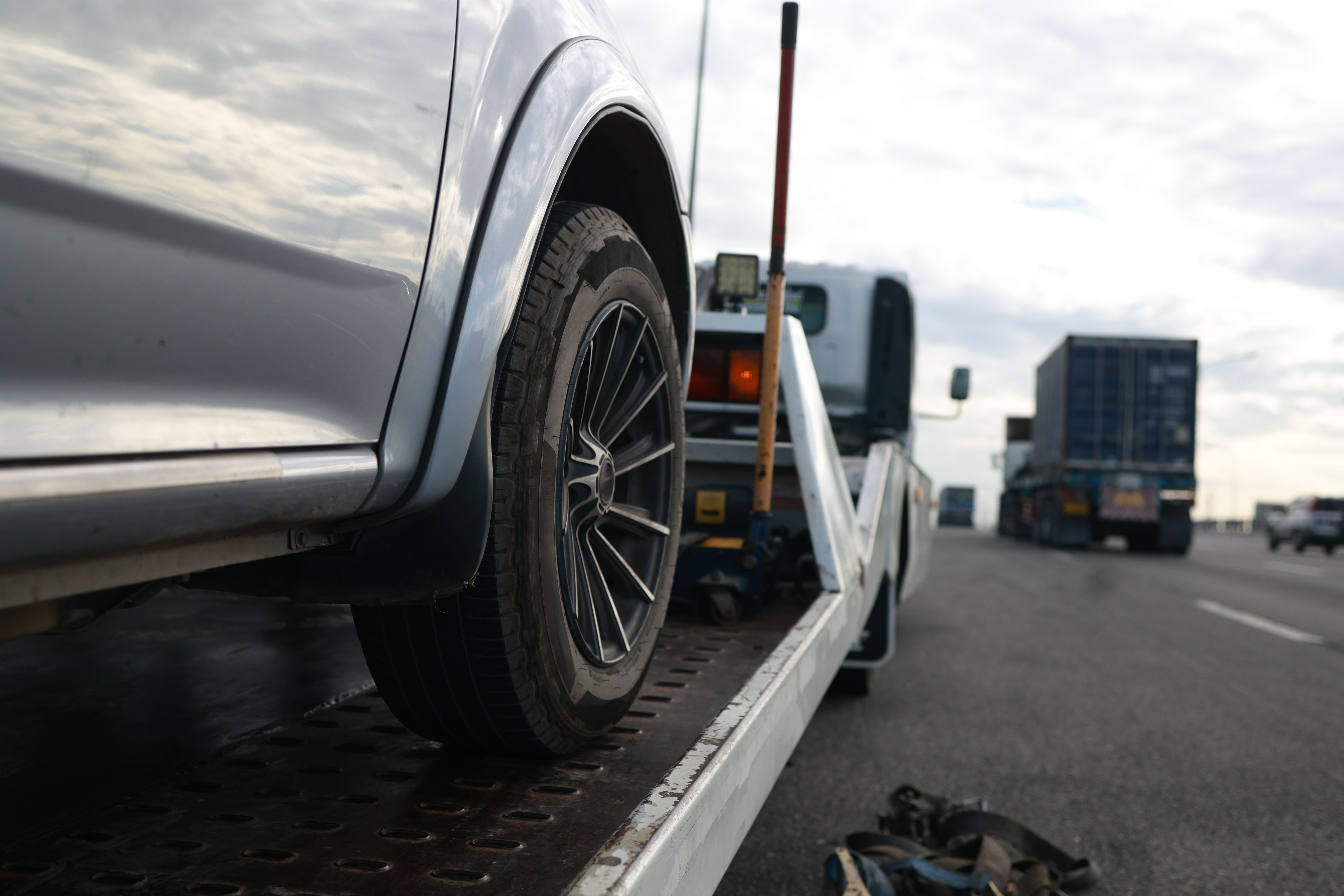
Consider investing in a roadside assistance service. These services can offer peace of mind by providing help when you need it most, whether it's a flat tire or a dead battery.
By following these expert tips, you can reduce the likelihood of encountering common roadside emergencies. Stay vigilant, prepared, and informed to enjoy a safer driving experience.