Seasonal Roadside Assistance Tips: Preparing for Winter in Northern Virginia

Understanding Winter Challenges in Northern Virginia
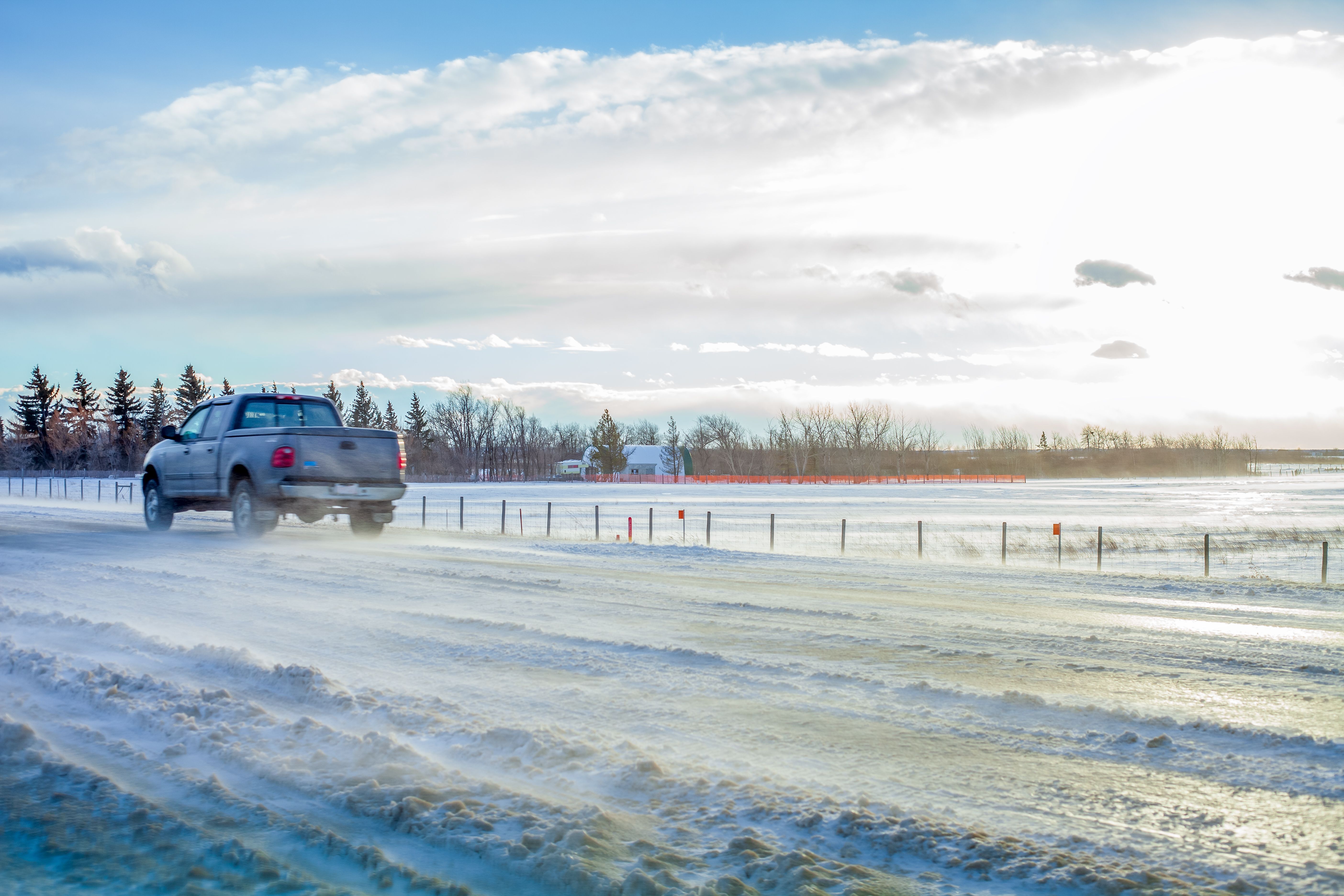
Winter in Northern Virginia can be unpredictable, with temperatures often dipping below freezing and occasional snowstorms sweeping through the region. These conditions can create challenges for drivers, making roadside assistance a crucial service during the colder months. Preparing your vehicle for winter can help prevent breakdowns and ensure your safety on the road.

Essential Vehicle Checks Before Winter
Before the cold weather sets in, it's important to perform several checks on your vehicle. Start with the battery, as cold temperatures can reduce its efficiency. Ensure it's in good condition and replace it if necessary. Additionally, check the antifreeze levels to prevent the engine from freezing.
Tires are another critical component. Make sure they have adequate tread and are properly inflated. Consider switching to winter tires for improved traction on icy roads. Don't forget to examine the brakes, as they need to be in top shape to handle slippery conditions.
Stocking Your Winter Emergency Kit
Having an emergency kit in your vehicle is essential during winter. Stock it with items like a flashlight, extra batteries, a first-aid kit, and non-perishable snacks. Additionally, include blankets, gloves, and hats to keep warm if you find yourself stranded.
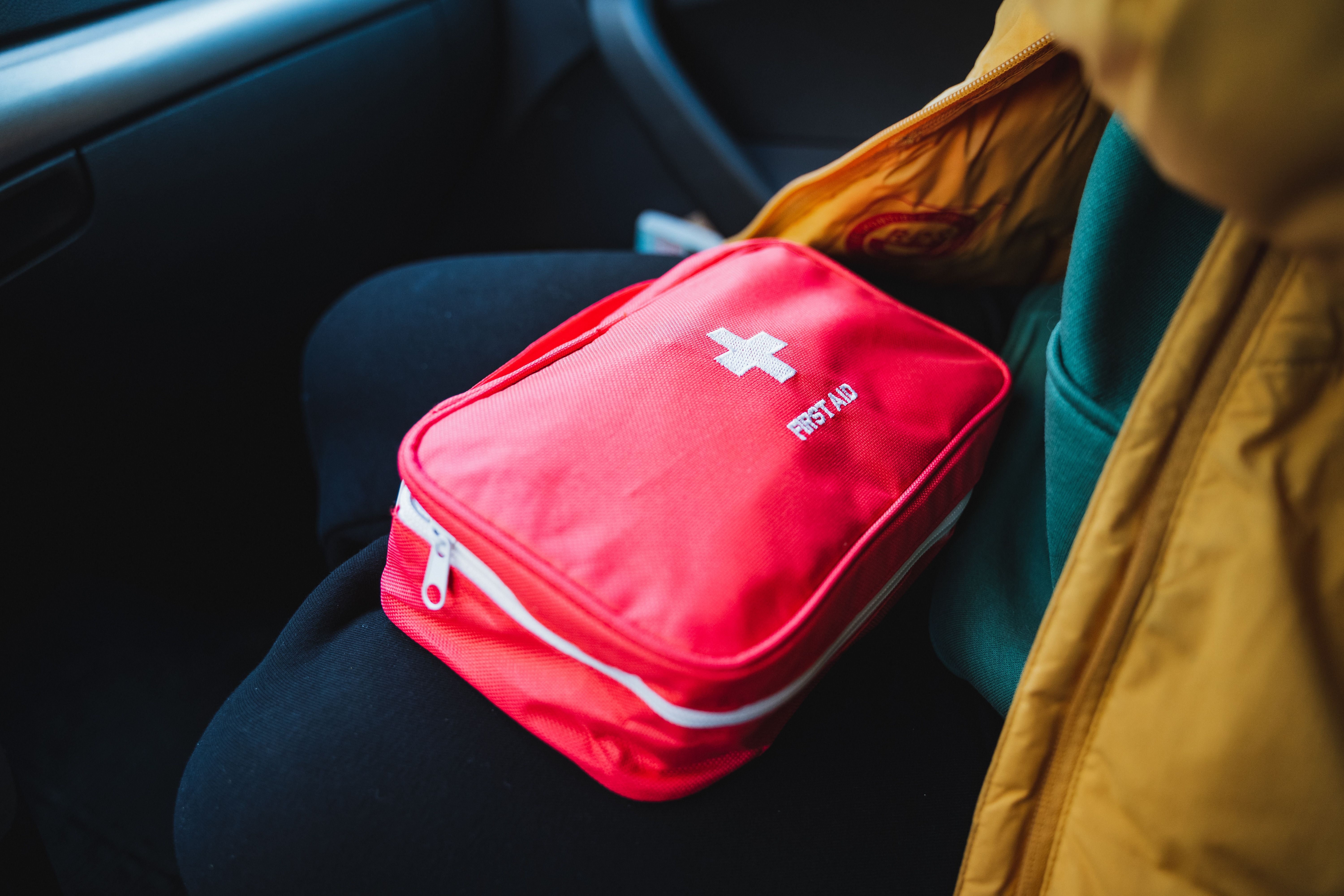
Other useful items include a shovel, ice scraper, and sand or kitty litter for traction. A portable phone charger can be a lifesaver if your car battery dies and you need to call for help.
Safe Driving Practices in Winter Conditions
Adopting safe driving habits is crucial during winter. Drive slowly and maintain a safe distance from other vehicles. Sudden stops or sharp turns can lead to accidents on icy roads. Use your headlights to increase visibility, especially during snowstorms or foggy conditions.
If you encounter a skid, remain calm and steer in the direction you want the front of the car to go. Avoid slamming on the brakes, as this can worsen the skid.
When to Call for Roadside Assistance
Despite all precautions, you may still find yourself needing roadside assistance. Common winter issues include dead batteries, flat tires, and getting stuck in snow. Don't hesitate to call for help if you're in a situation you can't resolve safely on your own.
Be sure to communicate your location clearly and stay in your vehicle while waiting for assistance. This is especially important during extreme weather conditions.
Choosing the Right Roadside Assistance Plan
Not all roadside assistance plans are created equal. When selecting a plan, ensure it covers common winter-related issues like towing, battery jump-starts, and tire changes. Some plans offer additional benefits such as fuel delivery or lockout services.
Review the terms and conditions carefully to understand any limitations or exclusions. A good plan can provide peace of mind during the harsh winter months.